Welcome to Wisefluid
What is a Wheel Flange Solid Lubrication Stick?
In the world of rail transport, smooth operation depends on more than just strong engines and precise tracks. One small but critical component that keeps things running efficiently is the wheel flange solid lubrication stick. Though often overlooked, this solid stick of lubricant plays a big role in protecting wheels and rails, reducing noise, and cutting maintenance costs.
If you're working in railway operations, maintenance, or rolling stock supply, understanding how this product works—and why it’s better than traditional lubrication—could help improve both performance and efficiency.
What is a Wheel Flange Solid Lubrication Stick?
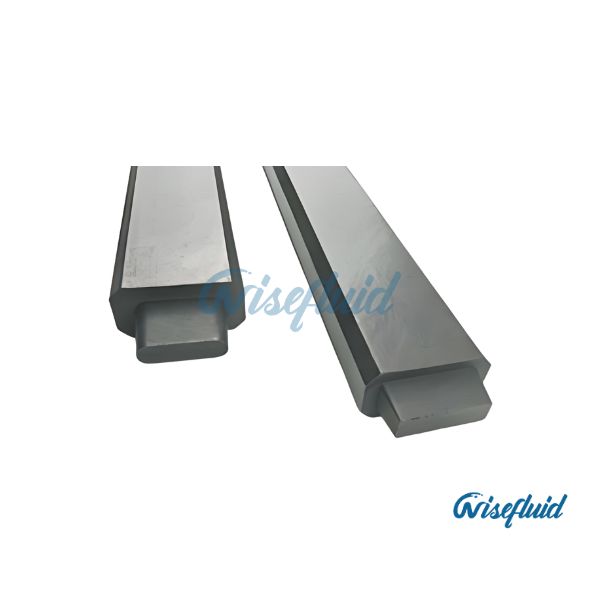
A wheel flange solid lubrication stick, also called a lubrication stick, is a specially formulated solid stick designed to reduce friction between the wheel flange and the side of the rail. It’s typically made from a mix of organic materials, friction modifiers, and wear-resistant additives.
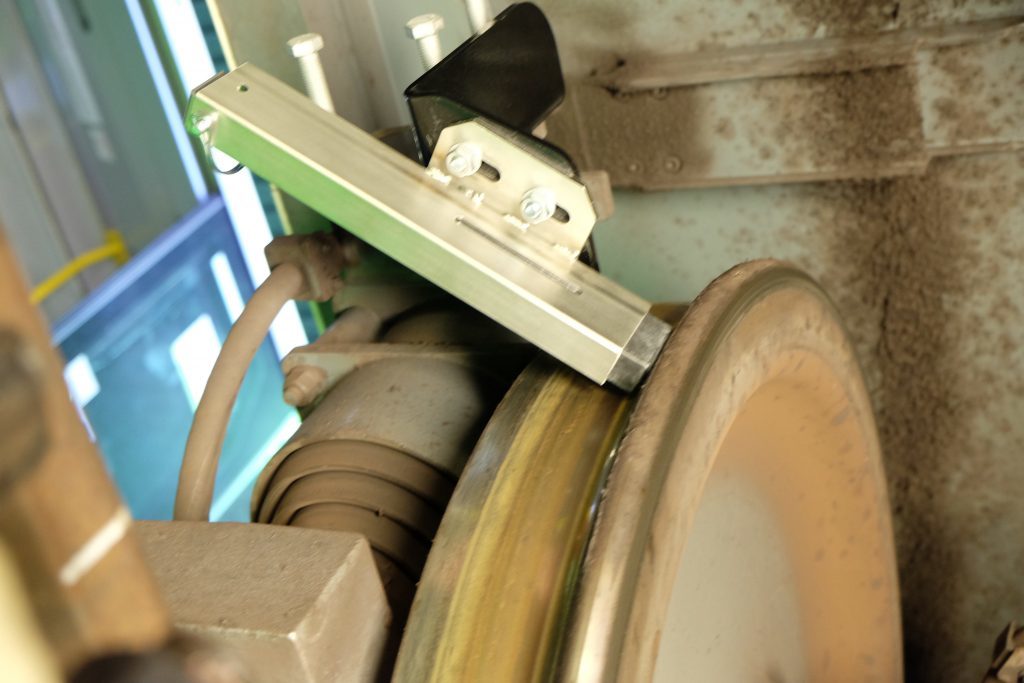
These sticks are mounted in an applicator attached to the train's bogie (the wheel frame). A spring mechanism keeps the stick pressed against the rotating wheel flange. As the train moves, a thin layer of the lubricant is gradually transferred from the stick to the wheel flange. This coating helps reduce metal-to-metal contact, which is one of the main causes of wear and noise in rail systems.
Why Flange Lubrication is Important
In every rail system, wheels and rails are in constant contact. Especially in curved sections, the flange of the wheel—the raised inner rim—rubs against the gauge face of the rail. Over time, this creates:
Excessive wear on both wheels and rails
Squealing noise, especially in tight curves
Higher energy consumption
More frequent repairs and part replacement
Without lubrication, these issues add up quickly, increasing downtime and costs.
Solid Lubrication vs. Traditional Methods
Grease or Oil Lubrication
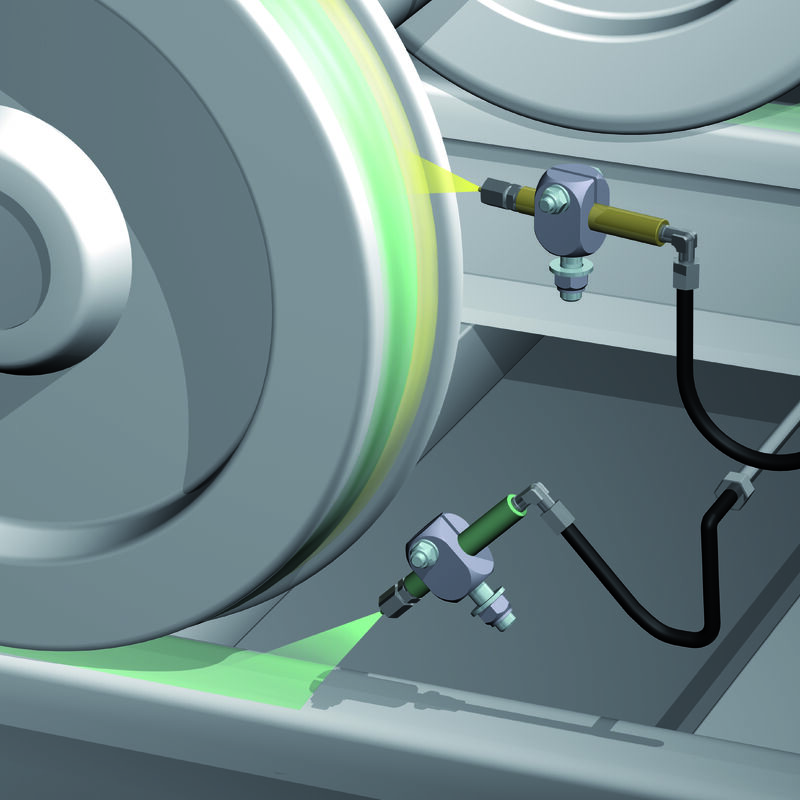
Liquid lubricants like grease and oil have been used for years. However, they often require pumps, tanks, hoses, and sensors. These systems are complex, expensive to maintain, and prone to leaks. In cold or dirty environments, they may fail to work properly.
Solid Lubrication Sticks
Solid sticks offer a simple, passive solution. Once installed in the applicator, no external power is needed. The spring does all the work by pushing the stick against the wheel flange. It’s clean, reliable, and requires minimal attention.
Key Benefits of Wheel Flange Lubrication Sticks
Lower Wear and Tear
The solid lubricant creates a protective film on the wheel flange and rail. This greatly reduces direct contact, slowing down the wear process.
Quieter Operation
One major source of train noise is the wheel-rail interaction. Lubricated flanges produce much less noise, improving comfort for passengers and nearby communities.
Less Maintenance
Because wheels and rails wear out more slowly, maintenance intervals can be extended. That means fewer service disruptions and lower operating costs.
Easy to Install
No electronics, no wiring, no sensors. Just a simple mechanical system. Anyone familiar with rail maintenance can install or replace a lubrication stick quickly.
Environmentally Friendly
No dripping oil or leaking grease. Solid sticks stay where they’re supposed to. That means no pollution of the ballast, rail bed, or surrounding areas.
Where Are These Sticks Used?
Solid lubrication sticks are used in a wide range of rail systems, including:
Urban Metros – to reduce squeal noise in tight city curves
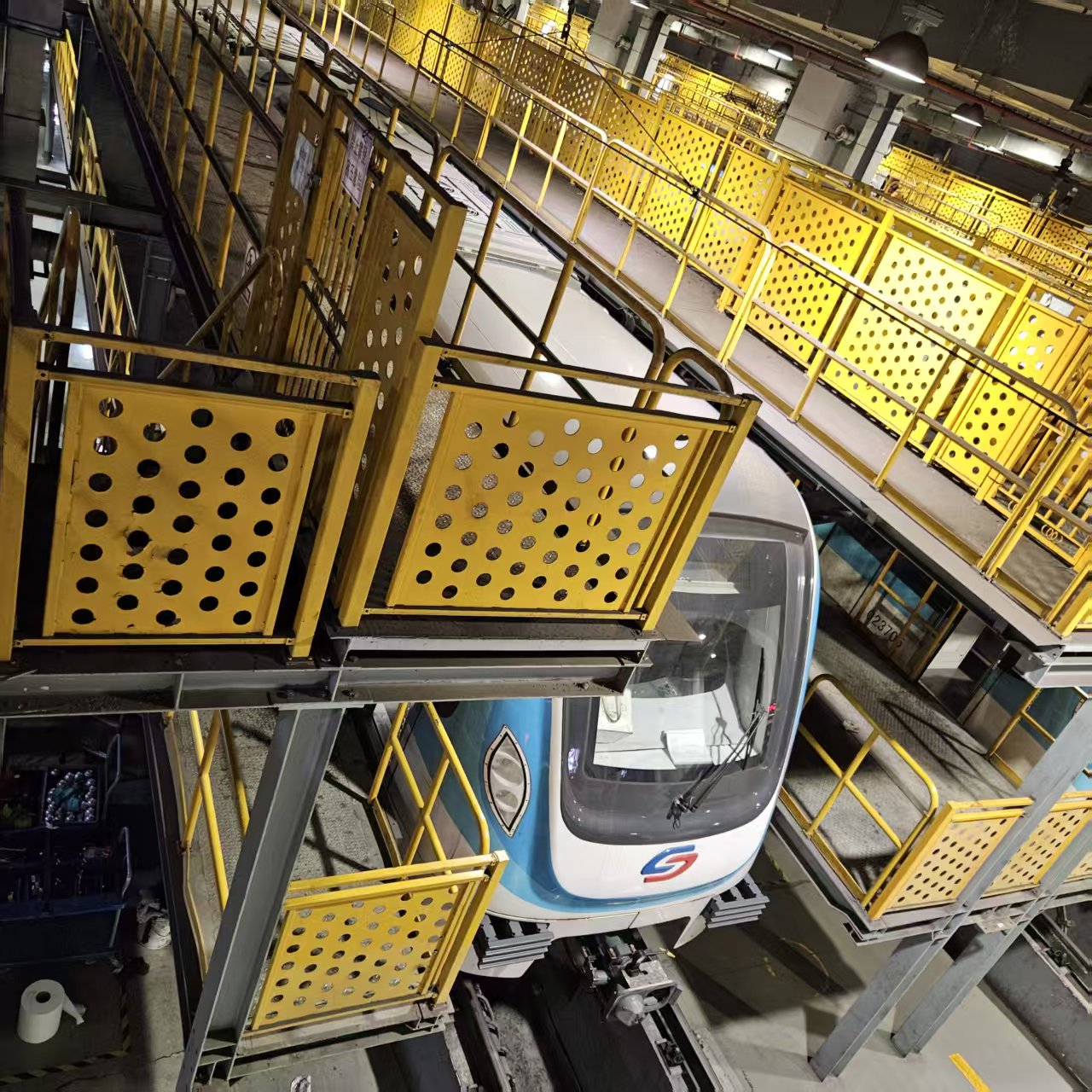
Trams and Light Rail – for smooth, quiet operation in residential zones
High-Speed Trains – where consistent lubrication at high speed is critical
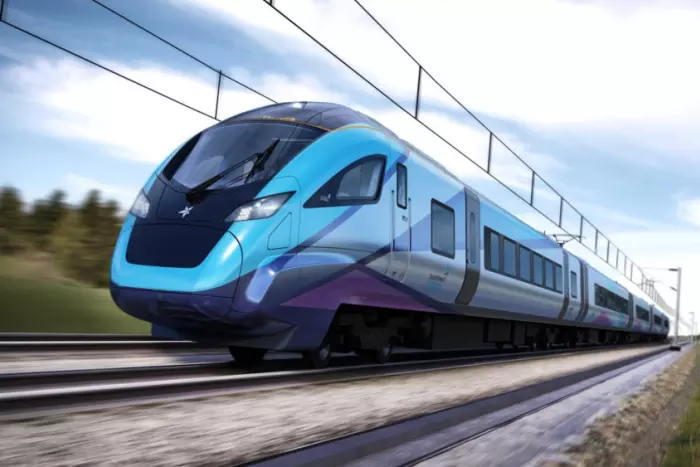
Freight Rail – to handle heavy loads and reduce operating costs
Industrial Railways – often exposed to dust, moisture, and tough conditions
From snowy climates to dusty deserts, these sticks are designed to perform in all environments.
How Long Do They Last?
The lifespan of a lubrication stick depends on several factors: train speed, track conditions, curve frequency, and more. On average, a stick can last from several weeks to several months before needing replacement. It’s easy to inspect visually and swap out when it gets too small.
Why More Operators Are Making the Switch
Many rail operators have already switched from grease-based systems to solid sticks. Here’s why:
Fewer failures: No pumps or sensors to break down
Cleaner environment: No leaking fluid
Lower lifecycle cost: Less frequent servicing and part replacement
Improved passenger experience: Less noise, smoother rides
Whether you manage a metro system, supply spare parts for trains, or maintain freight fleets, switching to solid lubrication sticks can make your job easier and your operations more efficient.
Why Choose Our Lubrication Sticks?
As a manufacturer specializing in solid lubrication sticks, we offer:
High organic content (≥30%) for better performance
Low friction coefficient (≤0.13) for smooth operation
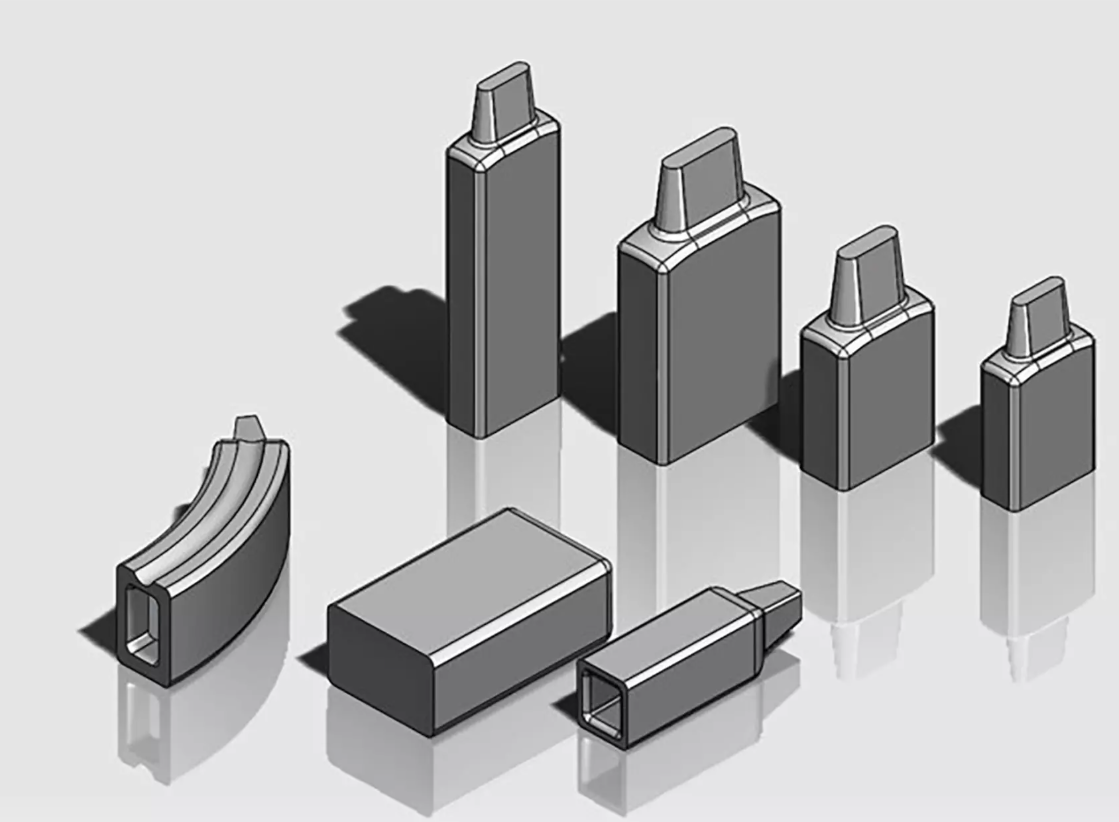
Customizable hardness and dimensions
Durable performance in extreme weather
Fast delivery and OEM support
Our sticks meet international standards
Conclusion
Wheel flange solid lubrication sticks may be small, but they make a big difference. By reducing wear, cutting noise, and lowering maintenance costs, they help rail systems run smoother, longer, and more sustainably.
Whether you're a buyer, technician, or project manager, it's time to consider making the switch to solid lubrication. It’s a simple change that delivers real benefits.
Want to learn more?
Contact us for samples, datasheets, or a free consultation.
We ship worldwide and support OEM orders!