Welcome to Wisefluid
Laboratory Gas Manifold System Design Specifications
Gas manifold plays a crucial role in the gas utilization of modern laboratories, and they are of vital importance for the safe, reasonable and standardized use of gas in laboratories. The following are the design specifications of the laboratory manifolds
1. Laboratory gas consumption and types of gases used
Common laboratory gases include hydrogen (for fuel cell research and oxide reduction experiments), oxygen (as a combustion-supporting gas), and nitrogen (chemically inert, used as a protective gas).
2. Laboratory structural layout
Gas pipelines are primarily constructed from stainless steel, installed beneath the ceiling and routed along walls to facilitate inspection and maintenance. Central workbench gas lines are introduced via service columns.
3. Gas storage unit locations
Dedicated explosion-resistant gas storage rooms are preferred for gas cylinders. If unavailable, gas cylinder safety cabinets with fully automatic alarm systems must be installed. Main control valves and pressure-reducing valves for gas lines are installed outside the laboratory.
4. Workbench structure and specifications
All gas pipelines on workbenches are equipped with appropriate control valves and gas outlets. Connections use seamless welding. Compressed air lines include purification devices to filter impurities and moisture. Flammable and exhaust gas pipelines must not be mixed together.
5. Building structure of the laboratory
Ventilation systems must be designed with check-valve-equipped exhaust fans proportional to room size for proper airflow and cleanliness. Filtered ventilation openings are required in each room; louvered windows/doors are acceptable for rooms with interior corridors, sized proportionally to exhaust volume.
6. Laboratory Gas System Installation Components
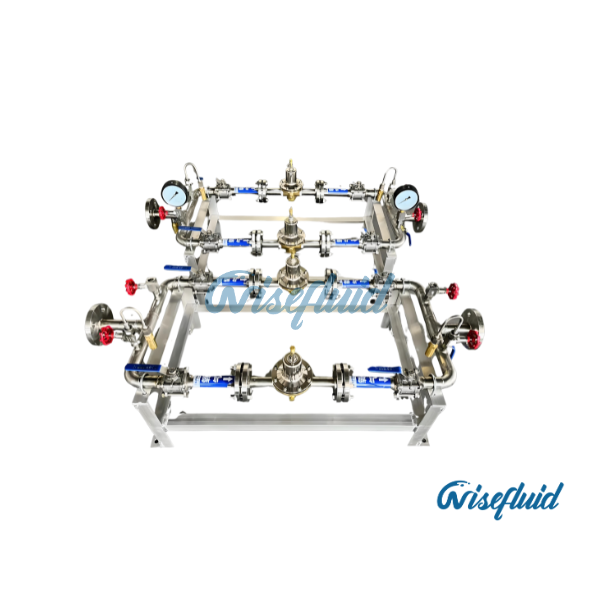
(1)Gas source switching system (primary pressure regulation system)
(2)Piping and fitting system
(3)Secondary pressure regulation system
(4)Gas filtration and purification system
(5)Gas alarm system
(6)Pressure gauges, ball valves, etc.
7. Gas System Material Requirements
lHigh-pressure gas hoses
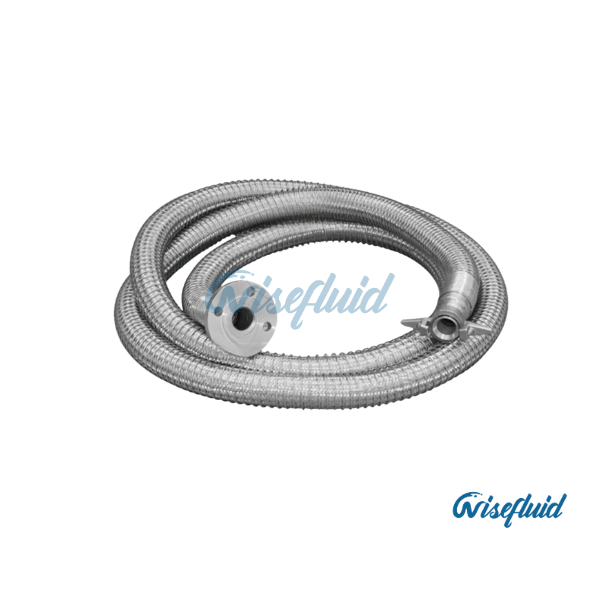
Stainless steel exterior mesh with PTFE interior. One end connects to standard cylinders, the other to the automatic switching system. Pressure rating >3,000 PSI. Features: clean, flexible, corrosion-resistant.
lLow-pressure alarms
Multi-contact alarms with analog data output, audible & visual alerts, and gas name display. Explosion-proof wiring compatible with automatic switching systems and manifold racks.
lPressure regulator
Primary valve: inlet 0–200 bar, outlet 0–16 bar.
Secondary valve: inlet 0–16 bar, outlet 0–6 bar.
Regulators must be clearly labeled with pressure relief levels.
lStainless steel tubes
BA-grade 316L stainless steel tubes with inner surface roughness ≤0.4 μm. Maximum pressure rating: 300 bar.
lCompressed fittings
BA-grade 316L stainless steel, double ferrule design. Hardened ferrules provide vibration resistance and secure tube retention. Rear ferrule grooves reduce installation torque, ensuring proper tightening.
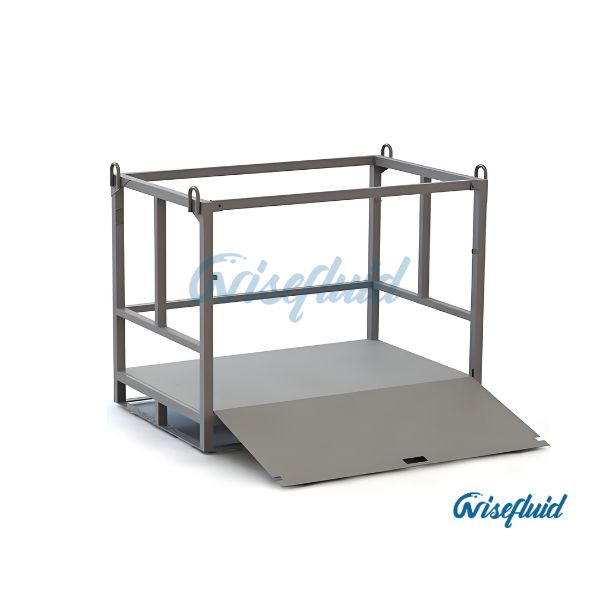
8. Gas Cylinder Cabinet Technical Requirements
Frame: Aluminum alloy profile
Door/side panels: Cold-rolled metal panels with epoxy powder coating
Adjustable cylinder clamps for easy replacement/mobility
Adjustable feet (0–0.3 m range): Stainless steel screws, nylon caps, rubber bases
9. Safety Measures
All gas pipelines require proper grounding.
Gas cylinder cabinets must integrate leak detection and emergency ventilation.
Gas leak alarms, temperature monitoring, automatic exhaust during leaks, explosion-proof, flame resistance.