Welcome to Wisefluid
How to Choose Medical Gas Manifold for Hospital Use
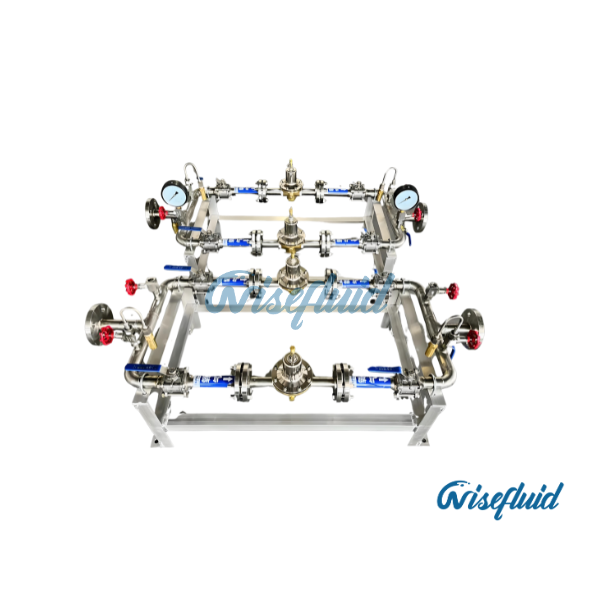
How to Choose the Right Medical Gas Manifold for Hospital Use
Medical gas manifolds play a crucial role in delivering life-saving gases such as oxygen, nitrous oxide, and compressed air in healthcare environments. Choosing the right manifold system is vital to ensure safety, reliability, and compliance with hospital standards.
In this guide, we’ll walk you through key factors to consider when selecting a medical gas manifold for your hospital or clinic.
1. Understand Your Gas Supply Needs
Start by identifying the types and volumes of medical gases your facility uses. Consider:
Gas types: Oxygen, nitrous oxide, medical air, vacuum, etc.
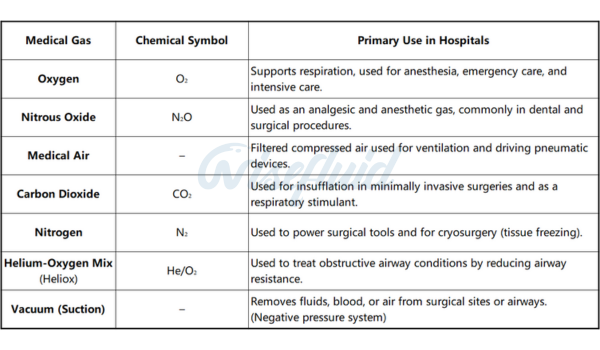
Flow rate requirements: Based on hospital size and patient demand
Single vs. multiple lines: Some hospitals require separate systems per floor or department
Knowing your gas needs ensures the manifold system you choose can meet capacity and safety demands.
2. Choose the Right Manifold Type
There are three main types of medical gas manifolds:
1.Manual manifolds:
Gas cylinders are connected in two or more banks. When one bank is empty, the operator manually switches to the reserve bank using a lever or valve.
Features
No automatic switching
Requires staff monitoring
Simple construction
2.Semi-automatic manifolds:
Uses a pressure-sensing valve mechanism to automatically switch from the primary to the secondary bank when pressure drops. Manual reset is required afterward.
Features:
Automatic switching between banks
Manual reset after cylinder change
Mid-level automation
3.Fully automatic manifolds:
Integrated electronic control system monitors pressure and automatically switches banks. The system resets itself and may include alarms and digital display.
Features:
Fully automatic bank switching
Built-in alarms & monitoring
No manual reset needed
Optional remote monitoring
Which should you choose?
Manual manifolds: Best for low-budget or small-scale operations where constant staff presence is available.
Semi-automatic manifolds: Suitable for medium-demand facilities where some automation is helpful but full automation is not critical.
Fully automatic manifolds: Recommended for large hospitals, ICUs, ORs, or where uninterrupted gas supply is vital.
3. Look for Compliance and Certifications
Medical gas systems must comply with strict international standards. Check for:
ISO 7396-1 or HTM 02-01 compliance
CE marking or FDA approval
Local health authority approvals
These ensure the manifold is safe and suitable for hospital environments.
4. Focus on Safety Features
When selecting a medical gas manifold, safety is one of the most critical considerations. Medical gases such as oxygen, nitrous oxide, and nitrogen are highly flammable or have specific handling requirements. Therefore, the manifold system must incorporate multiple layers of safety protection to ensure continuous hospital operation and the safety of patients and staff. Below are the key safety features to focus on:
1. Non-return Valves (Check Valves)
Preventing backflow of gas in the pipeline is a fundamental but crucial safety measure. Especially in systems with multiple gas cylinders connected in parallel, check valves effectively stop high-pressure gas from flowing back into low-pressure cylinders, which could otherwise lead to explosion or gas mixing.
2. Pressure Regulation and Relief Mechanisms
A quality manifold system should be equipped with high-precision pressure regulators and pressure-limiting devices to ensure stable output pressure and prevent it from exceeding safe limits. Excessive pressure can damage equipment or pose risks to patients by delivering unsafe gas levels.
3. Automatic/Manual Switching Functions
Advanced manifolds should include an automatic switching function: when the pressure of the primary gas source falls below a set value, the system automatically switches to the reserve source to ensure uninterrupted supply. Manual switching should also be available for emergency maintenance or power failure situations.
4. Pressure Relief and Venting Devices
The system should feature pressure relief valves or burst discs that automatically release gas in the event of abnormal pressure increases. Venting should be safely directed to a designated discharge area to avoid harm to personnel.
5. Gas Identification and Error-proof Connections
Different medical gases must not be mixed. Manifold connections should use gas-specific safety features, such as color coding, unique connection shapes, or thread types, to prevent accidental cross-connection, which can lead to serious medical incidents.
6. Alarm Systems
A reliable manifold system should integrate pressure monitoring and alarm features. In the event of abnormal pressure, switching failure, or other malfunctions, the system should immediately trigger audible and visual alarms to alert maintenance personnel, preventing supply interruptions.
7. Material Safety and Fire Resistance
Materials used in medical gas equipment must be corrosion-resistant, fireproof, and explosion-resistant. For example, components that come into contact with oxygen should avoid flammable materials and must meet fire safety certification standards.
In summary, the safety features of a medical gas manifold are not just regulatory requirements—they are essential for protecting lives and ensuring continuous, reliable medical service. When purchasing, choose systems with comprehensive safety mechanisms, reliable certifications, and a strong industry reputation. It is also important to ensure the system supports regular inspection and maintenance.
5. Check for Ease of Maintenance
When selecting a medical gas manifold, in addition to safety and performance, ease of maintenance is another critical factor that should not be overlooked. Medical gas systems are essential infrastructure in hospitals, and any malfunction or leakage can disrupt clinical operations and even endanger patient safety. Therefore, ensuring that the manifold system is easy to maintain, quick to service, and cost-effective is vital to the hospital’s overall efficiency and risk management.
Below are several key aspects to evaluate when considering the maintenance friendliness of a medical gas manifold:
1. Modular Design
A high-quality manifold should adopt a modular structure, allowing individual components (such as pressure regulators, gauges, or check valves) to be replaced independently without dismantling the entire system. This significantly reduces repair time and labor complexity.
2. Ease of Cleaning and Inspection
The system should be designed for easy cleaning and visual inspection, featuring elements such as transparent protective covers, removable panels, and clearly labeled connections. This helps simplify routine inspections and preventative maintenance, while also reducing risks from dust buildup or corrosion.
3. Standardized and Interchangeable Parts
Manifolds that use standardized, widely available components reduce the burden of spare parts inventory. In emergency situations, common parts are easier to source and replace, avoiding extended downtime caused by proprietary or hard-to-find items.
4. Self-diagnostic and Alarm Features
Some advanced manifold systems come equipped with self-monitoring capabilities, which automatically detect pressure levels, switching status, or abnormal gas flow. When issues arise, the system can trigger alarms, helping maintenance staff identify and resolve problems quickly while reducing the need for constant manual checks.
5. Comprehensive Documentation and Technical Support
Reputable suppliers often provide detailed user manuals, maintenance guides, and even remote technical support or scheduled training. These resources can greatly improve the hospital maintenance team’s efficiency and reduce the risk of improper handling.
6. Non-disruptive Maintenance Options
An ideal manifold should feature dual gas lines, bypass mechanisms, or manual override switches, enabling one side of the system to continue operating while the other is under maintenance. This ensures uninterrupted gas supply during servicing and safeguards hospital operations.
In summary, ease of maintenance is a core indicator of a medical gas manifold’s practicality and reliability. A well-designed, low-maintenance manifold can significantly reduce long-term operational costs and ensure continuous, safe gas delivery. When evaluating suppliers, it’s essential to review the maintenance procedures, required tools, maintenance cycles, and available technical support to make an informed and confident purchasing decision.
6. Consider Future Expansion
Choose a manifold system that can grow with your hospital. Look for:
Expandable ports or extra connections
Compatibility with central pipeline systems
Digital integration (monitoring systems, alarms)
7. Work With a Trusted Manufacturer
Select a supplier with proven experience in hospital-grade gas equipment. A good partner offers customizable designs, technical support and installation guidance and spare parts availability.
Conclusion
Choosing the right medical gas manifold involves more than just selecting equipment — it’s about ensuring uninterrupted, safe, and compliant gas delivery to every patient. By considering system type, compliance, safety, and future needs, you can make a smart investment for your healthcare facility.
Need expert advice or a custom solution? We offer fully certified, customizable medical gas manifold systems tailored for hospitals, clinics, and healthcare centers. Contact us today to learn more.